


-

Add: HeBei ShengShi HongBang Cellulose Technology CO.,LTD.
-

Email
13180486930@163.com -

CONTACT US
+86 13180486930
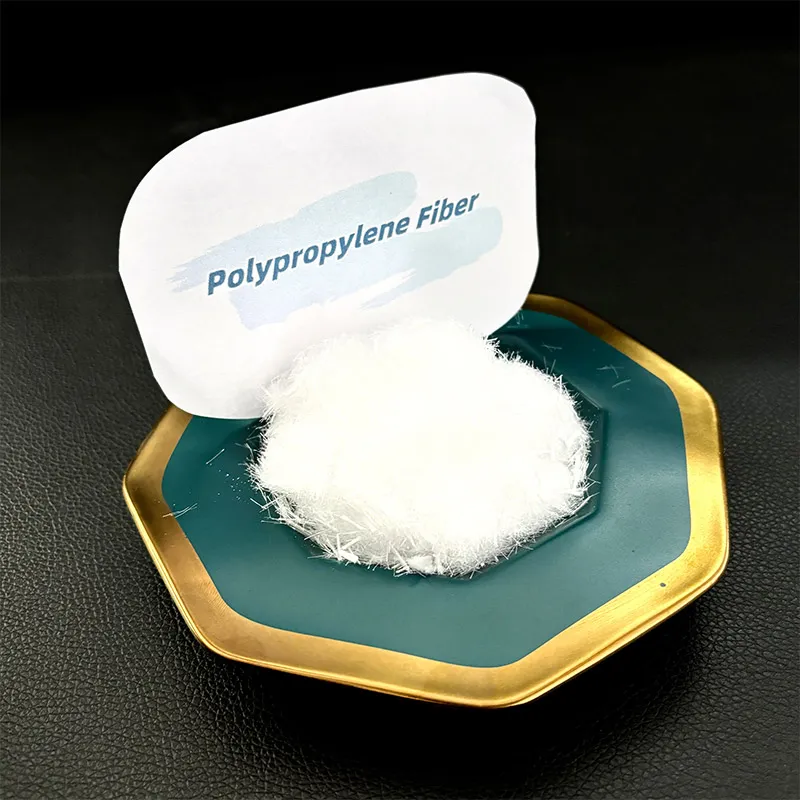
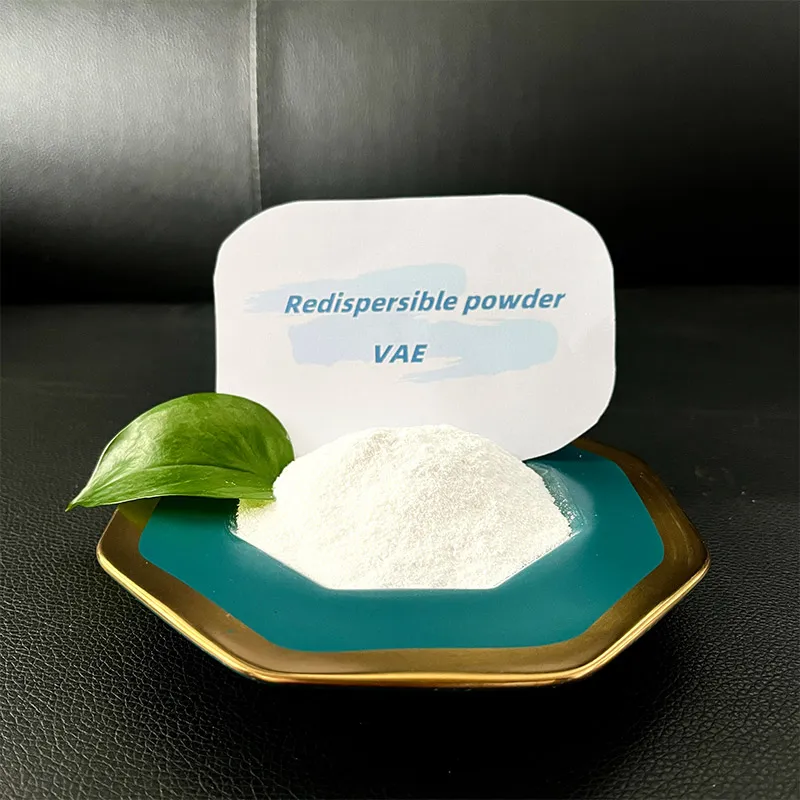


Thin-bed mortars are a cornerstone of modern construction, valued for their precision in tile installation, plastering, and bonding. At the heart of their performance lies polymer powder , a transformative additive that enhances adhesion, flexibility, and durability. Alongside redispersible polymer powder and redispersible powder variants, it elevates mortar quality, making thin-bed applications more reliable and long-lasting. Hebei ShengShi HongBang Cellulose Technology CO.,LTD, a professional manufacturer with over 20 years of experience, located in Hebei Province Xinji provincial clean chemical Industry Park with excellent transportation links, extends its expertise beyond HPMC to include high-quality polymer additives. Their advanced German production processes and daily capacity of 80–100 tons make them a trusted partner for wholesalers seeking top-tier construction materials. This article explores how polymer powder functions in thin-bed mortars, highlighting its key roles and benefits. Types of Redispersible Polymer Powder for Thin-Bed Mortars Polymer Powder: Polymer powder is a generic term for powdered polymers that dissolve or disperse in water, forming a film when dried. In thin-bed mortars, it acts as a binder, improving cohesion between cement, aggregates, and substrates. Wholesalers can note that its versatility makes it suitable for a range of mortar types, from tile adhesives to repair mortars. Redispersible Polymer Powder: Redispersible polymer powder is a specialized variant that, when mixed with water, re-disperses into a stable emulsion. This unique property ensures uniform distribution throughout the mortar, enhancing its overall performance. It is particularly effective in thin-bed applications where even coverage and strong adhesion are critical. Hebei ShengShi HongBang’s redispersible polymer powder is engineered for consistent results, meeting the demands of high-precision construction. Redispersible Powder: Redispersible powder (a broader term encompassing redispersible polymers) offers tailored benefits, such as enhanced water resistance or flexibility. These variants are ideal for thin-bed mortars used in humid environments, like bathrooms, or areas prone to slight movement, such as kitchens. Their adaptability makes them a valuable addition to any wholesaler’s product lineup. Enhancing Adhesion with Redispersible Polymer Powder Film-Forming Binder: Redispersible polymer powder forms a continuous polymer film within the mortar as water evaporates. This film bridges gaps between mortar particles and the substrate (e.g., tiles, concrete), creating a strong mechanical bond. In thin-bed mortars, where contact area is limited, this enhanced adhesion prevents tile slippage and ensures long-term stability. Improved Bond to Diverse Surfaces: Thin-bed mortars often need to adhere to challenging substrates like glass, metal, or painted surfaces. Polymer powder modifies the mortar’s surface tension, allowing it to wet and bond to these materials effectively. This versatility reduces the need for specialized primers, simplifying installation and lowering costs—an advantage wholesalers can emphasize to clients. Resistance to Water and Moisture: Redispersible powder enhances the mortar’s water resistance by forming a hydrophobic film. This is crucial in thin-bed applications in wet areas, such as showers or swimming pools, where moisture penetration could weaken the bond. The polymer barrier prevents water from breaking down the mortar structure, extending its lifespan. Performance Benefits of Polymer Powder in Thin-Bed Mortars Performance Aspect Mortar with Polymer Powder Standard Mortar (Without Polymer Powder) Advantage for Construction Flexibility High; withstands minor substrate movement Rigid; prone to cracking under stress Reduces tile or plaster damage from structural shifts. Adhesion Strength Excellent bond to diverse substrates Limited adhesion to non-porous surfaces Ensures long-term stability in tile and stone installations. Water Resistance Resistant to moisture penetration Susceptible to water damage Ideal for wet areas like bathrooms, kitchens, and swimming pools. Workability Smooth, easy to spread with minimal sagging May be stiff or runny Improves installer efficiency and reduces material waste. This table helps wholesalers clearly demonstrate how polymer powder elevates thin-bed mortar performance, making it a must-have additive for quality-focused clients. Key Functions of Redispersible Powder in Thin-Bed Mortars Reducing Shrinkage: Thin-bed mortars are prone to shrinkage as they dry, which can cause cracks or debonding. Redispersible powder minimizes shrinkage by increasing the mortar’s flexibility, allowing it to contract slightly without losing integrity. This is especially important in large-area installations, where uniform drying is challenging. Enhancing Cohesion: Polymer powder improves the mortar’s cohesion, preventing segregation of cement and aggregates. This ensures a smooth, homogeneous mix that spreads evenly, reducing the risk of voids or weak spots in the thin bed. Enhanced cohesion also makes the mortar easier to handle, reducing installer fatigue. Boosting Durability: Mortars containing redispersible polymer powder are more resistant to abrasion, impact, and chemical exposure. This durability extends the lifespan of thin-bed applications, reducing the need for repairs or replacements. It is particularly valuable in high-traffic areas, such as commercial lobbies or retail spaces. Polymer Powder FAQS What Dosage of Redispersible Polymer Powder Is Ideal for Thin-Bed Mortars? Typically, redispersible polymer powder is used at 3–8% by weight of cement in thin-bed mortars. Lower dosages (3–5%) improve basic adhesion, while higher dosages (6–8%) enhance flexibility and water resistance. Hebei ShengShi HongBang’s technical team can recommend precise dosages based on specific mortar formulations and project needs. Is Polymer Powder Compatible with Other Mortar Additives? Yes, polymer powder works well with common additives like cellulose ethers, plasticizers, and retarders. It complements these materials, enhancing overall mortar performance without adverse reactions. This compatibility simplifies formulation for wholesalers and ensures versatility across applications. Can Redispersible Powder Improve Mortar Workability in Cold Weather? Absolutely. Redispersible powder lowers the mortar’s water demand and improves its flowability, even in cold temperatures. This ensures consistent workability during winter installations, reducing the risk of premature setting or poor adhesion. Does Polymer Powder Affect the Setting Time of Thin-Bed Mortars? In moderate dosages, polymer powder has minimal impact on setting time. However, high dosages (over 8%) may slightly extend curing, which can be beneficial in hot climates where rapid drying is a concern. Hebei ShengShi HongBang offers formulations tailored to balance workability and setting time. Where Can Wholesalers Source Quality Polymer Powder for Thin-Bed Mortars? Hebei ShengShi HongBang Cellulose Technology CO.,LTD provides premium polymer powder and redispersible powder products, designed to optimize thin-bed mortar performance. Visit their website to explore their range and partner with a manufacturer renowned for quality and reliability in construction materials.
- 40000tons

Production
- 20+years

Experience
- 5000+㎡

Acreage

-

Finding the right HPMC (hydroxypropyl methylcellulose) eye drops can make a significant difference in managing eye conditions such as dryness, irritation, and post-surgical healing. In this guide, we will explore several prominent HPMC eye drop brands that have been trusted by medical professionals and users alike, focusing on their effectiveness, specialty formulations, and user experiences to enhance your decision-making process. One of the leading brands in the arena is Blink Tears. Known for their hydrating formulas, Blink Tears utilizes HPMC as a key ingredient to replicate natural tears and provide extended relief from dry eye symptoms. The formula's compatibility with contact lenses makes it a versatile option for daily users. Many users have reported significant improvements in ocular comfort and reduced frequency of application due to its long-lasting effects, further highlighting its reliability. Refresh is another brand that has carved out a niche in the HPMC eye drops market . Their products, such as Refresh Tears and Refresh Plus, are popular for their lubricating properties and preservative-free formulations. This makes them ideal for individuals with sensitive eyes or those who require frequent administration of eye drops. The Refresh brand is often recommended by ophthalmologists due to its clinically-tested benefits and wide availability, which adds a layer of trust and credibility to its use. Ocusoft Retaine is a brand that might not be as widely recognized as others but has earned respect within the ophthalmic community for its unique delivery method. Utilizing a special emulsion technology, Retaine products ensure that the beneficial effects of HPMC are dispersed evenly across the eye, providing uniform moisture retention. Health professionals often suggest this brand for its innovative approach to eye hydration, which offers both immediate and sustained relief without the blur caused by some thicker gels. hpmc eye drops brands Systane, a brand under the umbrella of Alcon, offers a range of HPMC-based products that cater to different severity levels of dry eyes. Systane Ultra is particularly noteworthy for its rapid-acting capabilities, delivering instant relief that has garnered positive user feedback. This product is also recommended for patients who experience discomfort during prolonged screen time, thus aligning the brand with modern lifestyle demands and reinforcing its authoritative stance in the market. Bausch + Lomb, with their Soothe line of eye drops, integrates HPMC to construct a shield-like barrier across the cornea, protecting it from external irritants while providing lubrication. The brand’s long-standing history in the eye care industry endows it with an authoritative reputation, making it a go-to for patients seeking dependable ocular solutions. User reviews often celebrate the soothing sensation these drops provide, which enhances trust among new and repeat customers. Ultimately, choosing the best HPMC eye drops depends on individual needs, from lifestyle and environmental exposure to specific ocular conditions. Trusted brands like Blink, Refresh, Ocusoft, Systane, and Bausch + Lomb offer a wide array of high-quality options that stand out for their user feedback and professional endorsements. Consulting with an eye care professional can further personalize your choice, ensuring the selected product aligns precisely with your eye health requirements. Through this tailored approach, you can bolster the health of your eyes with products backed by experience, expertise, authoritativeness, and trustworthiness.
-
Hydroxypropyl methylcellulose (HPMC) , a versatile polymer traditionally used in pharmaceuticals and food science, has gained profound traction in skincare formulations. Illuminating its scientific merits and practical applications reveals why HPMC is a coveted ingredient in modern skincare products. HPMC functions primarily as a thickening agent, stabilizer, and moisture-retention enhancer in skincare items. Its unique ability to form a protective barrier on the skin makes it effective in preventing water loss, crucial for maintaining hydration in skin strata. The non-reactive and inert nature of HPMC means it integrates seamlessly with other ingredients, enhancing product stability without adverse reactions. Furthermore, its ability to improve the sensorial profile of formulations translates to more pleasing textures and application experiences for consumers. From a scientific viewpoint, HPMC’s structure is composed of cellulose, offering biocompatibility and sustainability. This cellulose backbone is coupled with hydroxypropyl and methyl groups, providing solubility in both cold and warm water – a critical attribute for manufacturers seeking versatile production processes. Products containing HPMC can be easily tailored in viscosity, catering to diverse formulation needs ranging from lightweight serums to rich night creams. Expert studies highlight that HPMC can play a significant role in enhancing the efficacy of active ingredients. By forming a semi-occlusive layer, it allows for the gradual release and prolonged presence of actives like hyaluronic acid and vitamin C on the skin surface, thus amplifying their effectiveness. This prolonged contact time is beneficial for ingredients prone to rapid oxidation or degradation, providing a significant edge in terms of product potency and shelf life. hydroxypropyl methylcellulose in skin care Anecdotal evidence from seasoned dermatologists and skincare enthusiasts attests to the soothing benefits of HPMC-enriched formulations. Its hypoallergenic property makes it suitable for sensitive skin types, while its film-forming capacity assists in protecting the skin barrier from environmental aggressors like pollutants and UV rays. The multi-faceted qualities of HPMC extend to addressing skin imperfections – it is often incorporated in formulations targeting signs of aging, redness, and minor irritations, enhancing the skin’s natural resilience and radiance. Leading skincare brands leverage the authority of HPMC-backed research to innovate and differentiate their product lines. By synergizing HPMC with botanical extracts and cutting-edge actives, they forge products that resonate with consumers seeking efficacy paired with a clean and conscious ingredient list. The credibility of using a plant-based polymer like HPMC aligns with the growing consumer demand for transparency and sustainability in beauty products. For consumers, the trust in HPMC is built on its proven track record of safety and performance. It is non-toxic, non-irritating, and recognized by global health authorities as a safe additive, bolstering consumer confidence. Its extensive application in biomedicine for controlled drug release further elevates its standing in the skincare domain, reminding users of the scientific rigor underpinning their everyday beauty routines. In conclusion, the integration of hydroxypropyl methylcellulose in skincare is not merely a formulation trend; it symbolizes a deeper shift towards synergizing nature's offerings with scientific precision. By championing HPMC, skincare brands not only uplift their product efficacy but also embrace a narrative of innovation underpinned by reliability and empirical validation. As consumers continue to navigate an expansive skincare market, HPMC stands out as a pillar of trust, offering tangible benefits that cater to their evolving skincare ethos.
advantages
-

200000 Viscosities
Excellent product
We can produce pure products up to 200,000 viscosities
-

40000 tons
High yield
We don’t stop production all year round, and the annual output can reach 40,000 tons
-

24 hours
Quality service
We provide 24-hours online reception service, welcome to consult at any time
———— Inquiry Form
Schedule A services

-
 pp_staple_fiber
Oct . 25, 2025
The Rise of PP Fiber Manufacturers A Look into the Industry In recent years, the global demand for p -
 hpmc_density
Oct . 25, 2025
Hydroxypropyl methylcellulose (HPMC) K4M is a versatile polymer extensively utilized across numerous -
 hpmc_vs_mc
Oct . 25, 2025
Redispersible emulsion powder is a vital ingredient in modern construction materials, offering numer


